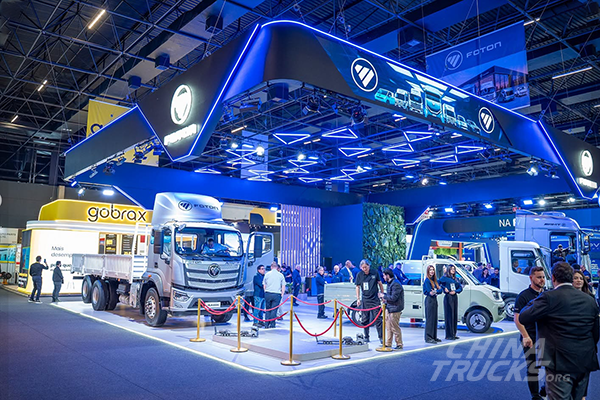
Fenatran 2026 Highlights Growing Presence of Chinese Truck Makers in Brazil
With six Chinese manufacturers among 13 truck makers, the exhibition reflects growing competition and changing technologies in Brazil’s commercial vehicle market.
The 25th edition of Fenatran, Latin America’s leading road freight transport exhibition, concluded on November 13, 2026, in São Paulo, Brazil. The five-day event brought together more than 700 exhibiting brands and 13 truck manufacturers, highlighting the growing international competition in Brazil’s commercial vehicle market.
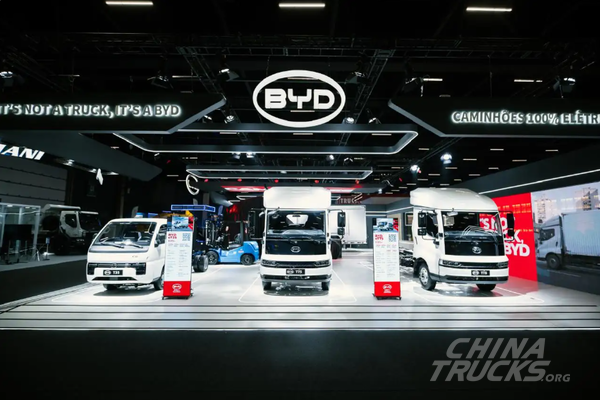
One of the most notable developments was the stronger presence of Chinese manufacturers. Six Chinese truck makers — BYD, FOTON, JAC Motors, SANY, SINOTRUK and XCMG — participated in the exhibition, accounting for nearly half of the 13 truck manufacturers represented.
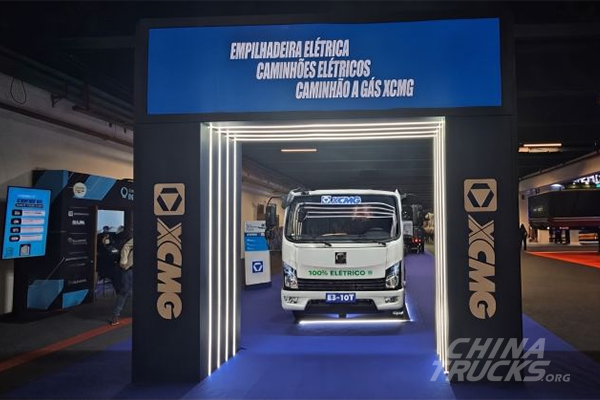
The event also demonstrated the industry’s growing interest in new energy vehicles, digital technologies and more efficient transport solutions.
According to the event’s post-show report, Fenatran 2026 generated approximately R$16 billion in business, exceeding the R$15 billion recorded at the 2024 edition. More than 60 new vehicles and products were presented, while manufacturers announced investment plans totaling over R$6 billion.
Chinese Truck Makers Gain a Stronger Position in Brazil
The participation of six Chinese truck manufacturers was one of the key highlights of Fenatran 2026.
BYD, FOTON, JAC Motors, SANY, SINOTRUK and XCMG joined established international manufacturers including Volvo, DAF, Volkswagen Caminhões e Ônibus, Mercedes-Benz, Iveco, Scania and Ford.
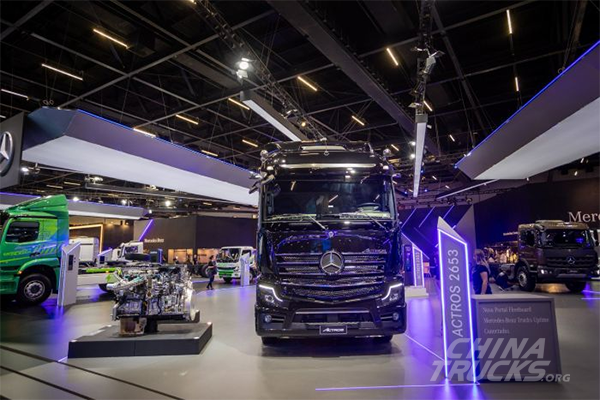
For several Chinese brands, the exhibition also marked an important step in expanding their presence in Brazil. BYD and SANY were among the companies making their first appearances at Fenatran, while SINOTRUK returned to the Brazilian market after previously suspending its sales operations in the country.
The Chinese manufacturers presented different approaches to the Brazilian market, covering electric trucks, diesel-powered heavy-duty vehicles and other transport solutions.
Their growing presence reflects a wider change in the global commercial vehicle industry. Chinese manufacturers are increasingly competing with established brands in international markets, bringing new products, technologies and business models to the sector.
However, long-term growth in Brazil will also depend on local dealer networks, after-sales services, spare parts availability and the ability to meet the operating requirements of Brazilian transport companies.
Last-Mile Delivery Creates New Opportunities
The growth of e-commerce and changes in consumer delivery patterns have increased demand for vehicles designed for urban distribution.
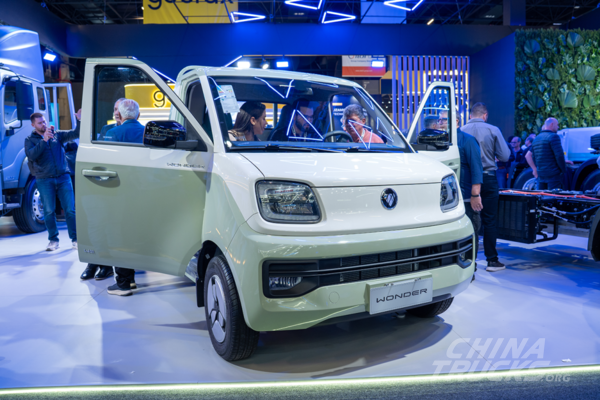
At Fenatran 2026, light commercial vehicles, vans, pickups and urban trucks formed an important part of the product offering alongside heavy-duty trucks.
Large Brazilian cities such as São Paulo, Rio de Janeiro and Belo Horizonte require different vehicle solutions for urban transport. Heavy trucks cannot access every delivery area, creating more opportunities for smaller commercial vehicles and last-mile delivery solutions.
This trend is also opening new opportunities for manufacturers developing electric vans, light trucks and vehicles designed for urban logistics.
Different Technologies Compete in the Commercial Vehicle Market
Vehicle electrification was one of the major themes at Fenatran 2026, but the exhibition also showed that different powertrain technologies continue to serve different transport requirements.
Electric trucks attracted attention, particularly for urban distribution and operations with predictable routes. At the same time, diesel remained important for long-distance freight transport and heavy-duty applications.
Natural gas, biomethane and biodiesel also featured among the technologies presented by manufacturers.
The diversity of products reflects the different operating conditions in Brazil, where transport companies must consider vehicle costs, fuel availability, driving distances, infrastructure and operating efficiency.
Rather than relying on a single technology, manufacturers are developing different solutions for different transport applications.
Connectivity and Artificial Intelligence Become More Important
Digital technologies also played an increasingly important role at the exhibition.
Telematics, artificial intelligence, connected vehicle systems, fleet management and real-time monitoring are becoming essential tools for improving transport efficiency.
Commercial vehicles are no longer simply transportation equipment. They are increasingly connected platforms that provide data to fleet operators and help companies monitor vehicle performance, manage operations and reduce operating costs.
For manufacturers, combining vehicles with digital services and fleet management solutions is becoming an important part of their competitiveness.
Fenatran Strengthens Its Role as an International Business Platform
Fenatran 2026 occupied more than 100,000 square meters of exhibition space at São Paulo Expo, bringing together manufacturers, suppliers, transport operators and logistics companies from different markets.
The event also expanded its outdoor exhibition area by approximately 700 square meters compared with the previous edition. The additional space supported the Fenatran Experience, where seven manufacturers presented vehicles through dynamic activities and demonstrations.
The official business matchmaking program, organized by RX, also helped exhibitors connect with potential business partners through pre-arranged meetings.
For international manufacturers, including Chinese companies, the exhibition provided an opportunity to introduce products, meet local transport operators and explore potential partnerships.
Brazil’s large territory, diverse climate conditions and complex logistics requirements make it an important market for commercial vehicle manufacturers. The country also provides an environment for testing products and technologies designed for different transport applications.
A Changing Competitive Landscape
Fenatran 2026 demonstrated how Brazil’s commercial vehicle industry is becoming more diverse and internationally competitive.
The participation of six Chinese truck manufacturers among the 13 truck makers at the exhibition highlighted the growing role of Chinese companies in the market. Meanwhile, the wide range of electric, diesel, gas and alternative-fuel vehicles showed that the industry’s transition toward more sustainable transport will involve multiple technologies.
With more than 700 exhibiting brands, over 60 product launches and R$16 billion in reported business, Fenatran 2026 reinforced its position as an important meeting point for the global road freight transport industry.
For Chinese manufacturers, the exhibition also highlighted both the opportunities and challenges involved in building a stronger position in Brazil and the wider Latin American market.
Source: Based on information originally reported by Frota News
Views:0